
EVP vs LVP Flooring: Complete Comparison for Austin Homes
Material Guides

EVP vs LVP Flooring: Complete Comparison for Austin Homes

Material Guides 7 min read

What is EVP Flooring?

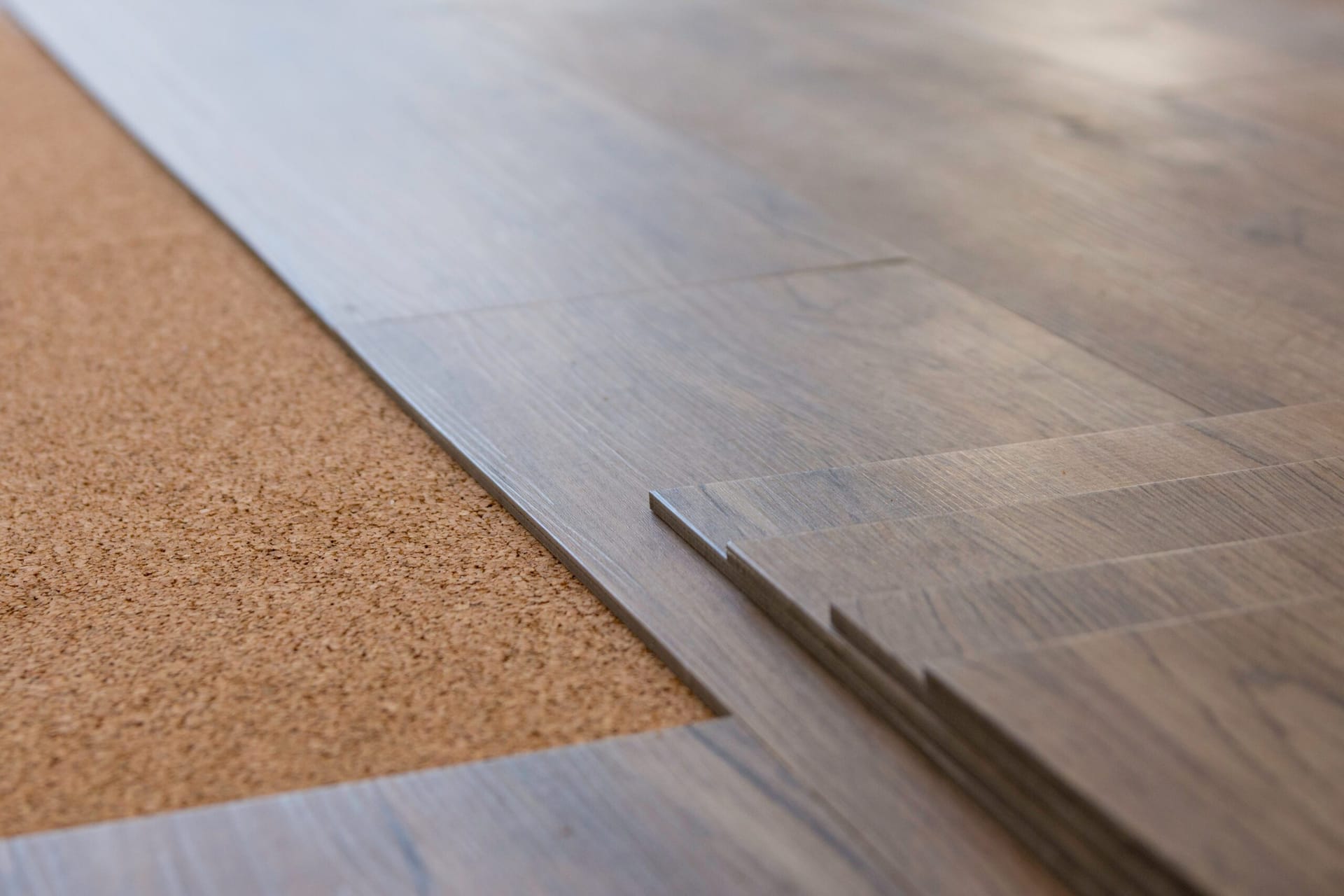
EVP flooring (Engineered Vinyl Plank) is a rigid-core vinyl plank flooring that combines waterproof vinyl durability with the beautiful appearance of hardwood. The 'engineered' refers to its multi-layer construction: a rigid core (typically SPC or WPC), a printed design layer, a clear wear layer, and often an attached underlayment. EVP's rigid core provides superior stability, dent resistance, and sound absorption compared to traditional vinyl. It clicks together for installation and can be placed over most existing subfloors with minimal preparation. In Austin TX homes, EVP has become one of the most popular flooring choices for its combination of aesthetics, durability, and waterproof performance.

What is LVP Flooring?

LVP (Luxury Vinyl Plank) is a flexible vinyl flooring that mimics the appearance of hardwood. Unlike EVP's rigid core, LVP features a more flexible construction that conforms to minor subfloor imperfections. LVP has been on the market longer and is available in a wider variety of styles and price points. Both LVP and EVP are 100% waterproof, making them suitable for kitchens, bathrooms, and basements. LVP is generally more affordable than EVP and easier to cut during installation. For budget-conscious Austin homeowners who want a wood-look floor throughout their home, LVP provides excellent value.

EVP vs LVP: Key Differences

The primary difference between EVP and LVP is core construction. EVP uses a rigid core (SPC — Stone Plastic Composite, or WPC — Wood Plastic Composite) that provides superior dent resistance and dimensional stability. LVP uses a flexible core that's thinner and more pliable. EVP typically measures 5-8mm thick with a rigid core, while LVP ranges from 2-8mm but with a flexible construction. This construction difference affects sound absorption (EVP is quieter), comfort underfoot (EVP feels more substantial), and resistance to heavy furniture indentation. Note that SPC (Stone Plastic Composite) cores offer the best dent resistance, while WPC (Wood Plastic Composite) cores prioritize comfort but are slightly softer. EVP generally costs $1-$2 more per square foot than comparable LVP. For Austin homes with pets, children, and heavy furniture, EVP's rigid core provides better long-term performance.

Which is Best for Austin's Climate?

Both EVP and LVP perform well in Austin's hot, humid climate. Neither material expands or contracts significantly with temperature changes, unlike solid hardwood. For slab-on-grade Austin homes (the majority of local construction), both options install well over concrete with minimal preparation. EVP's rigid core provides a slight advantage in temperature stability during Austin's extreme summer heat. For homes with radiant heating or significant sun exposure through large windows, EVP's dimensional stability is the better choice. Both materials maintain their appearance and performance through Austin's humidity swings between seasons.

EVP vs LVP: Cost Comparison for Austin Homes

Budget is often the deciding factor. Standard flexible LVP is the more affordable entry point: expect $3–$5 per square foot installed for mid-grade LVP in Austin (material + labor + trim). Entry-level rigid-core EVP (6–8mm SPC) starts at $4–$6 per square foot installed. Premium EVP — thicker planks (10–12mm), higher wear layers (20-mil+), and attached cork underlayment — runs $6–$9 per square foot installed. For a 1,500 square foot Austin home, the cost difference between mid-grade LVP and premium EVP is roughly $2,000–$6,000. In most cases, upgrading to EVP pays for itself in longevity and sound performance, especially in open-concept homes where subfloor sound travels easily. Sun Tile provides free, itemized in-home estimates so you can compare options side by side with no guesswork.

EVP vs LVP: Quick Comparison Summary

To summarize: EVP and LVP share waterproof surfaces and realistic wood-look designs, but differ in core construction, durability, and price. EVP's rigid SPC or WPC core provides superior dent resistance (important under heavy furniture), better sound absorption (critical on concrete slabs), and more tolerance of minor subfloor imperfections. LVP's flexible core costs less and is easier to cut but is less resistant to dents and heavier foot traffic. For Austin homeowners prioritizing long-term performance in main living areas, EVP is the stronger investment. For rental properties, secondary bedrooms, or tight budgets, quality LVP delivers excellent value. Both materials are 100% waterproof, pet-friendly, and dramatically easier to live with than hardwood in Austin's humid climate.

Frequently Asked Questions

Frequently Asked Questions

EVP stands for Engineered Vinyl Plank — a rigid-core vinyl flooring with a multi-layer construction providing waterproof protection, dent resistance, and realistic wood-look aesthetics. It's more rigid and durable than standard LVP.
EVP is generally better for high-traffic Austin homes, homes with pets, and areas with heavy furniture. Its rigid core resists dents and provides better sound absorption. LVP is a good budget-friendly alternative for lower-traffic areas.
Yes, both EVP and LVP install well over concrete slab foundations common in Austin. Minimal subfloor prep is needed. A moisture test is recommended. EVP's rigid core makes it especially stable on concrete.
EVP typically lasts 15–25 years in residential use; standard flexible LVP lasts 10–20 years. The wear layer thickness is the main durability factor — choose 12-mil minimum for living areas with pets or children, and 20-mil for commercial use. EVP's rigid core also resists denting under heavy furniture better than flexible LVP.
EVP is notably quieter than standard LVP because the rigid core absorbs impact sound rather than transmitting it. Premium EVP with an attached cork or foam underlayment on a concrete slab sounds and feels nearly as solid as hardwood. Standard LVP over concrete can produce a hollow, clicking sound without a quality underlayment.
Yes — both are 100% waterproof on the surface, making them suitable for bathrooms, laundry rooms, and kitchens. EVP's rigid core is waterproof throughout the plank's full thickness, whereas standard LVP is waterproof on the surface but the core can swell at the edges if water sits in seams. For wet areas, EVP's waterproof core provides added peace of mind.
SPC (Stone Plastic Composite) EVP uses a stone-powder core — denser, harder, and more dimensionally stable. Excellent for commercial use and temperature-extreme spaces. WPC (Wood Plastic Composite) EVP uses a wood-fiber-based foam core — lighter, warmer underfoot, and better sound-absorbing. Both are rigid and 100% waterproof. For Austin homes with pets, heavy furniture, and slab-on-grade foundations, SPC provides the best long-term performance.
In Austin, standard LVP installed runs $3–$5 per square foot. Entry-level EVP starts at $4–$6 per square foot installed; premium 12mm EVP with cork-back runs $6–$9 per square foot. The price premium for EVP reflects the thicker, heavier construction and longer warranty periods. For main living areas and open-concept homes, most Austin homeowners find the EVP upgrade worthwhile for quietness, comfort, and longevity.

Ready to Start Your Flooring Project?

Get a free estimate from the Sun Tile team. 40 years of experience, 75,000+ installations.

Get a Free Quote