
Flooring for production builders.
A clear plan for every release.
Repeated plans need connected decisions. Sun Tile works with Central Texas production builders on material packages, installation scope, field coordination, and the details that remain at walkthrough.
Family-owned since 1984. More than 75,000 flooring installations company-wide across Austin and Central Texas.
Meet the company behind the work- 01
Plans & packages
Which plans repeat, and which material selections or upgrades change from home to home?
- 02
Release sequence
What is the anticipated build sequence, and who coordinates site readiness and access?
- 03
Final details
How will walkthrough items, affected lots, and follow-up be communicated?
One package. A considered whole.
Connect the everyday spaces before the selections become a schedule. Flooring direction, wet-area finishes, and transitions all belong in the same conversation.
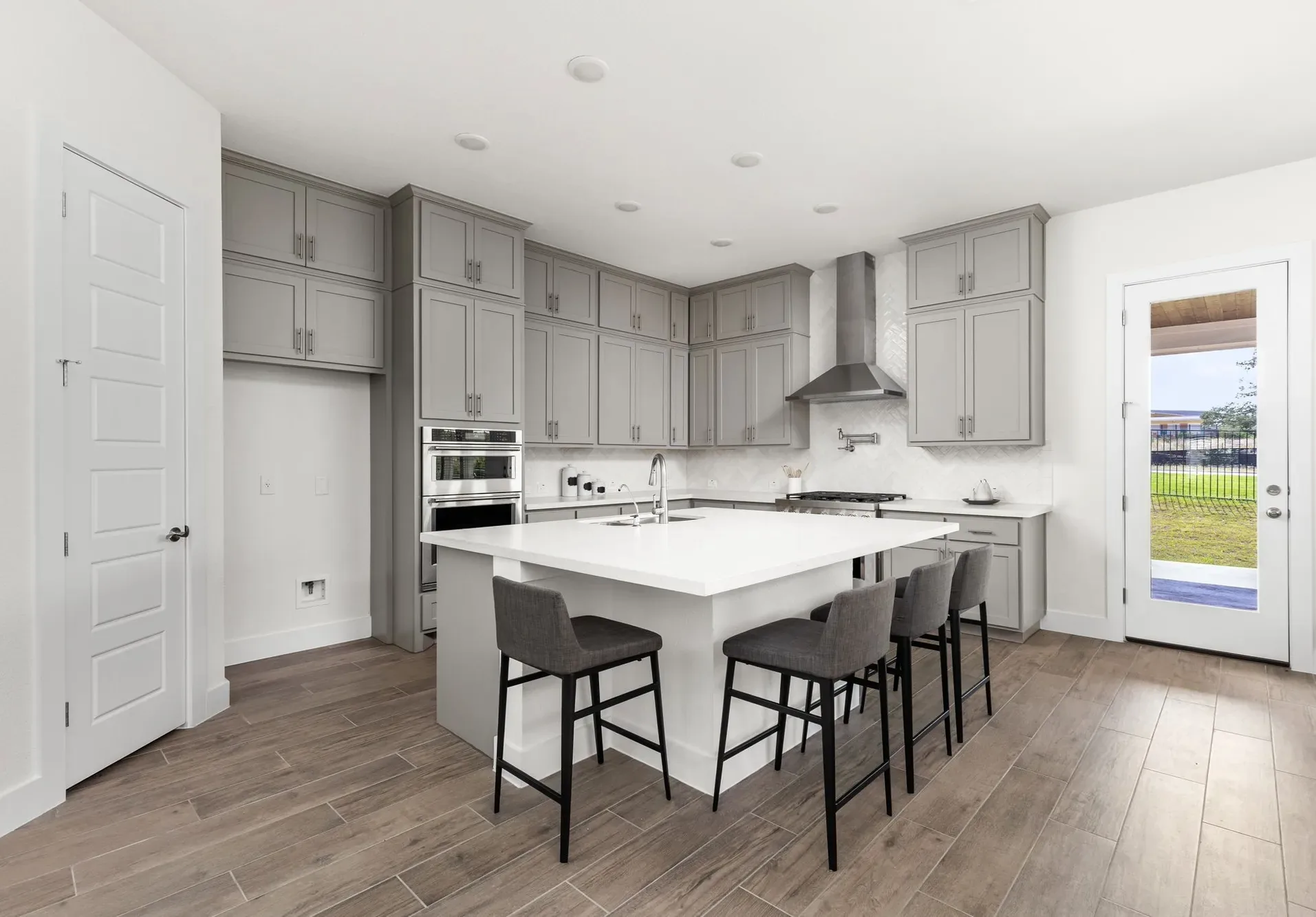
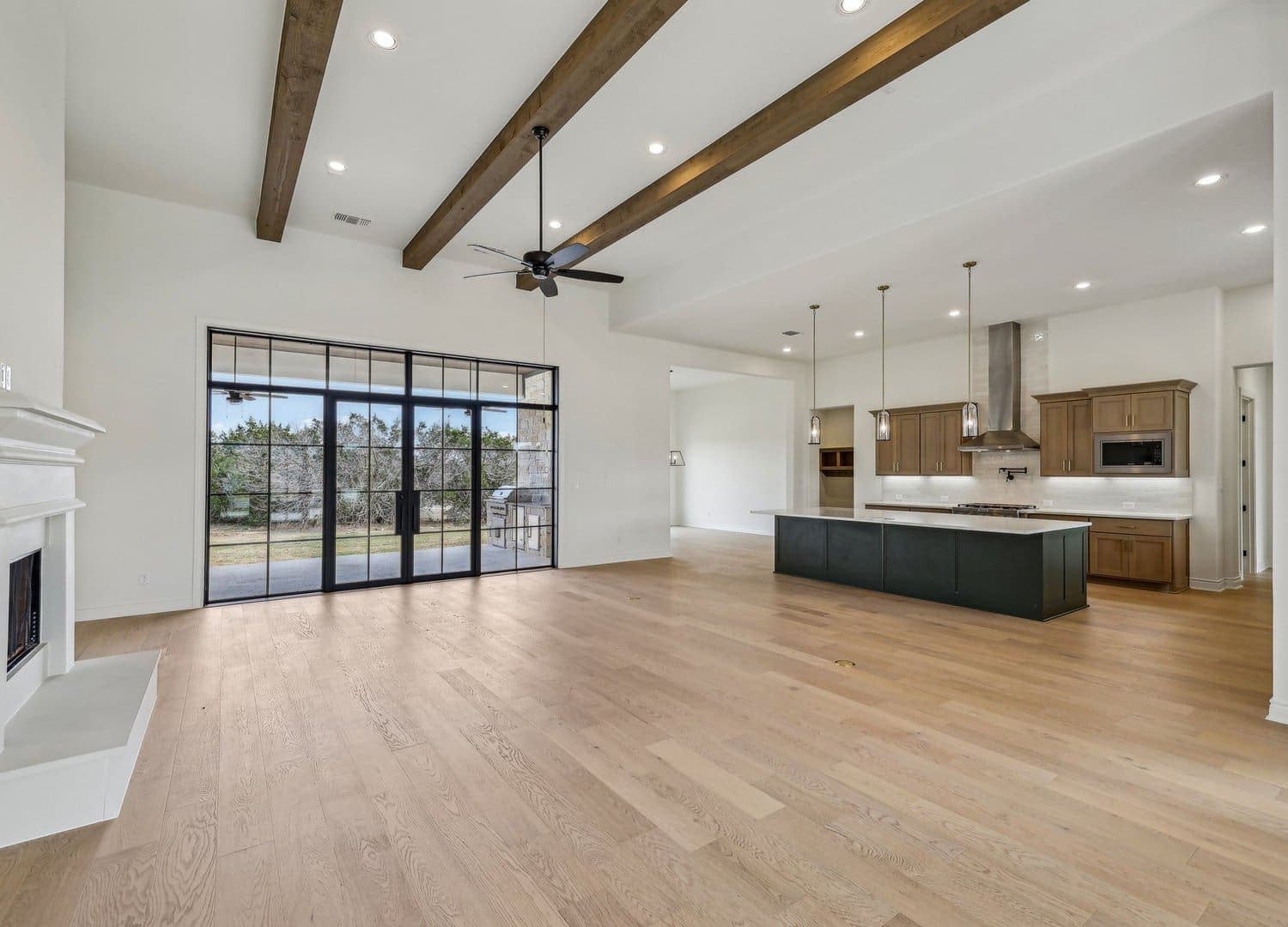
01 / The main living space
Review the flooring direction across connected rooms.
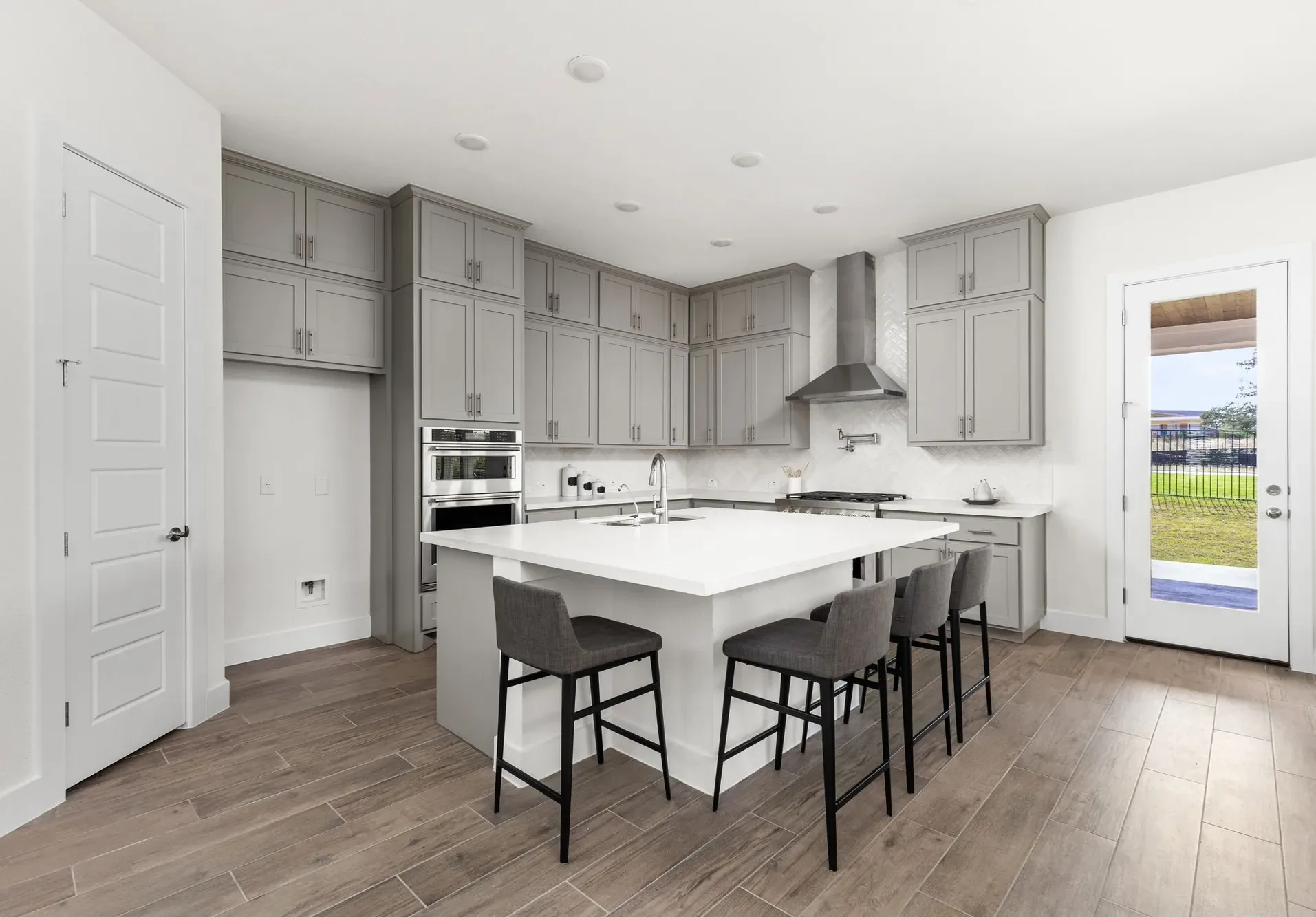
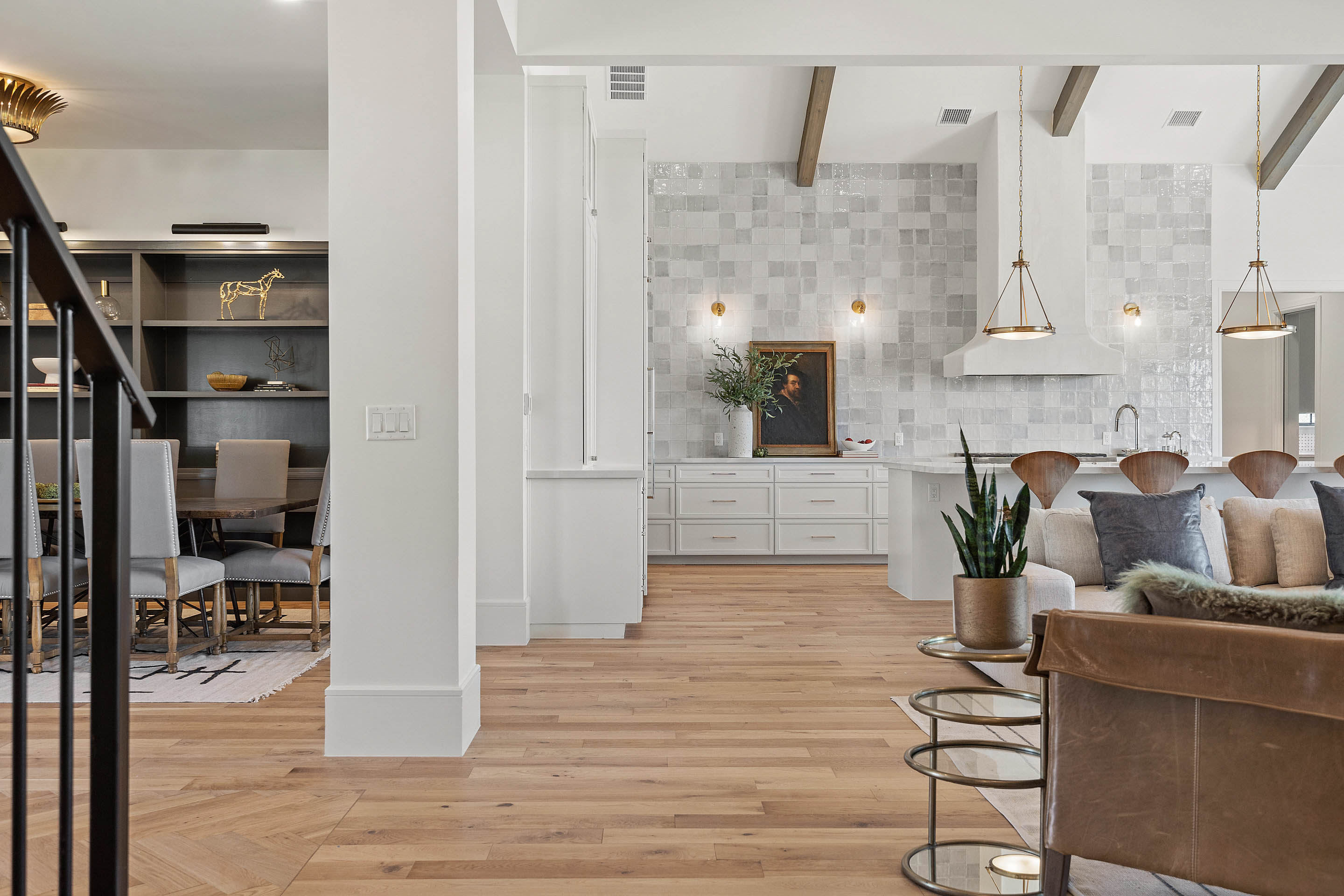
02 / The selection package
Bring floors, cabinetry, and wall finishes into the same review.
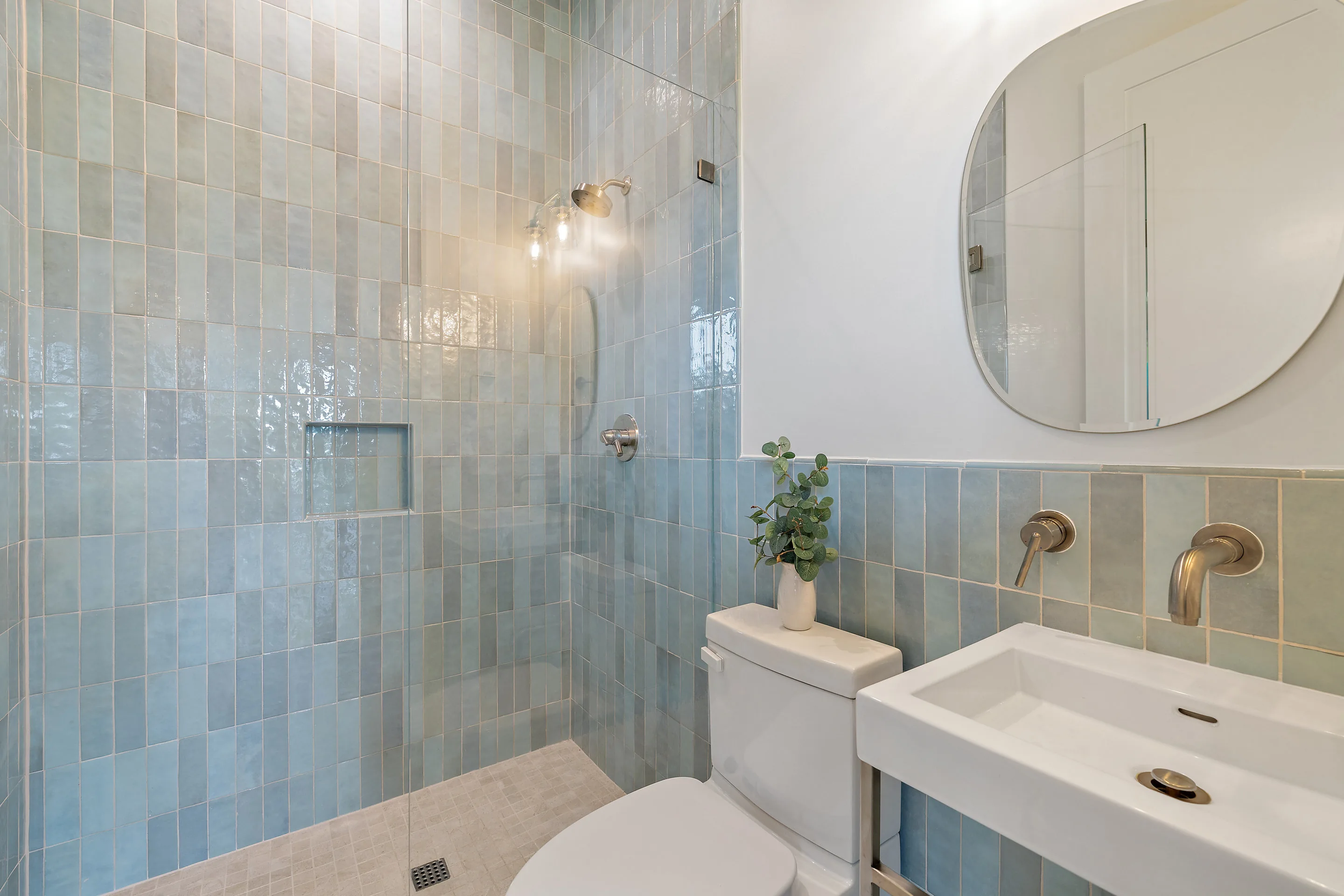
03 / The wet-area detail
Connect the room’s finish decisions to its intended use.
Selected Sun Tile project photography. Discuss the materials, assemblies, and details appropriate for your own project.
Inspect the workmanshipConnect the plan to every release.
Repeated plans bring repeated decisions. Explore how the finish package, site readiness, release sequence, and final details relate to each home.
Start with what repeats—and what changes.
Connect each plan type to its intended flooring package. Record selection upgrades and room differences where they occur, so the right scope follows the right home.
- Plan types, room schedules, and standard selections
- Upgrade choices and exceptions by home
- Transitions and quantities requiring review
A repeatable starting point for the homes in the release.
Bring this stage’s questions into your project inquiry.
Why Production Builders Choose Us
Trusted Partnerships
Long-term relationships built on reliability, quality craftsmanship, and a shared commitment to homeowner satisfaction. Many partnerships span generations.
Competitive Pricing
Customized pricing models for tile, wood, and carpet installations—engineered to align with your specifications and budgets with competitive material costs from established supply houses.
Connected to the Industry
Deep relationships with leading suppliers, manufacturers, and design partners translate into premium availability and consistent supply chain reliability.
The Sun Tile Difference
Our operational excellence starts where it matters most—on your job sites.
Large, Skilled Installation Team
Sun Tile's experienced installation crews are known for attention to detail, professionalism, and punctuality. Discuss the installation sequence, site readiness, and quality expectations with our field team before the work begins.
Territory-Based Field Managers
Every project is guided by seasoned, territory-based field managers who oversee all phases—from pre-start through final tune. They serve as your direct line of accountability, ensuring flawless communication and proactive issue resolution.
Dedicated Service Support
Post-close support matters. Our dedicated service and punch-out team handles fine-tune work efficiently—delivering an elevated homeowner experience long after the sale.
Partnership Commitment That Delivers
Operational Leadership
Our experienced operational leadership team manages the full builder interface—from bidding and pricing to streamlined billing and relationship management. Their proactive approach keeps projects moving seamlessly.
Bidding & Scheduling Technology
Our bidding and scheduling software stores job plans, preloads bid areas, and automatically factors in material-specific waste. This helps reduce errors, accelerates bid turnaround times, and supports accurate, cost-efficient estimates.
The Strength of a Local Partner
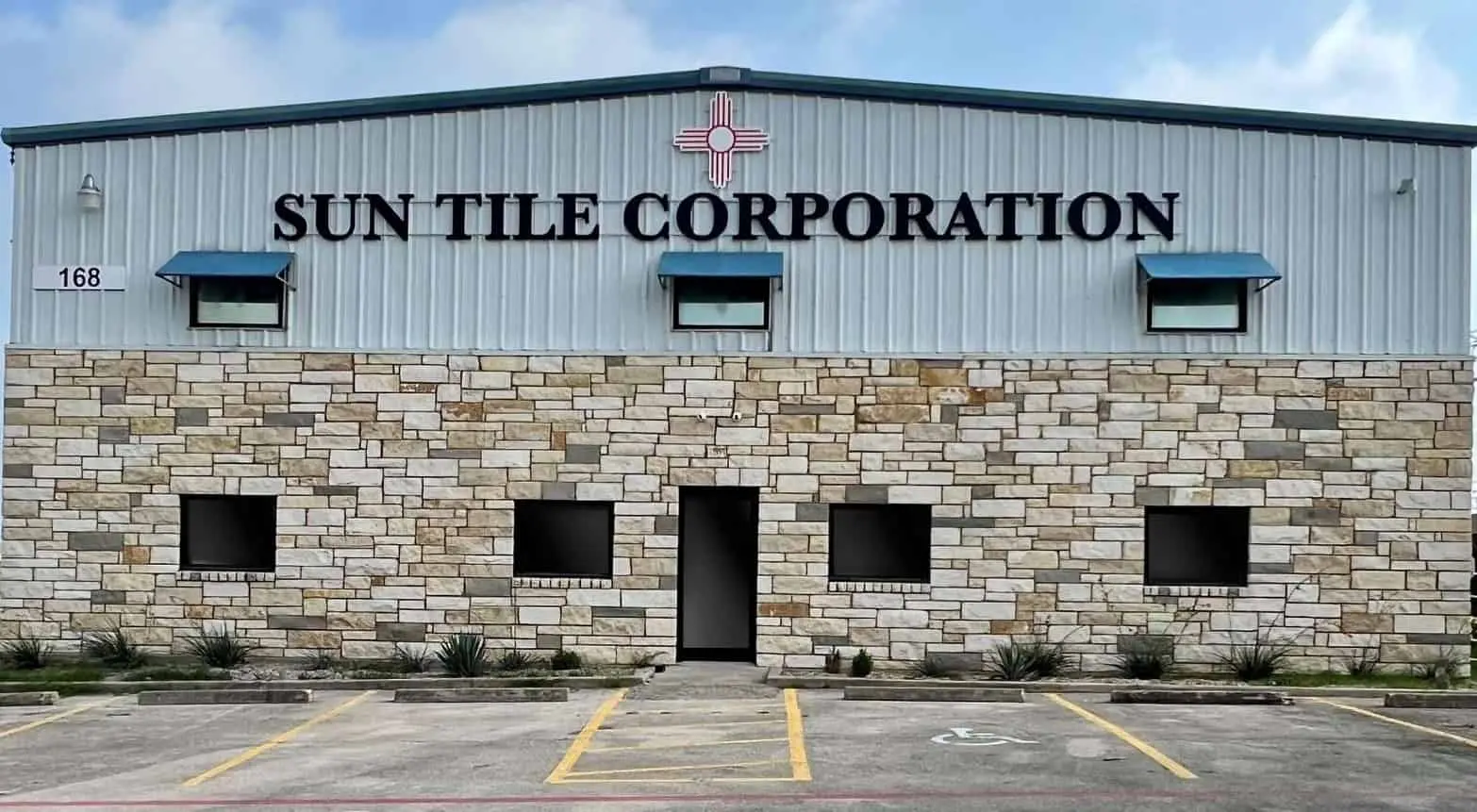
We're proud to be a local company, and we view that as one of our greatest advantages.
We're selective with our builder partnerships, ensuring every client receives our full attention.
Competitive material costs with industry's leading supply houses.
We maintain a culture of partnership, treating our builders as our most important relationships.
Unlike larger vendors, our focus is sharp, our response times are fast, and our accountability is personal.
"Our success is entirely dependent on yours."

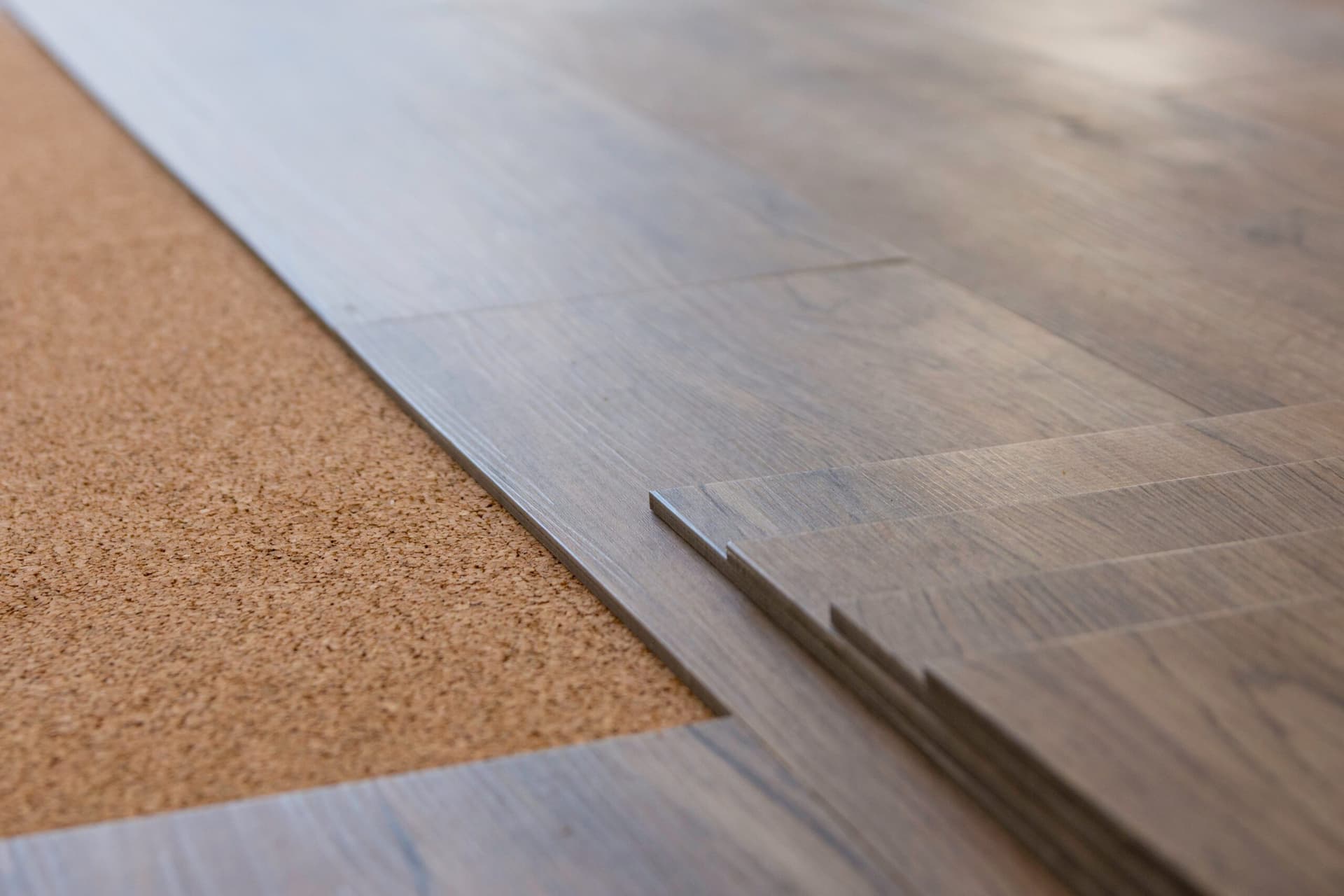
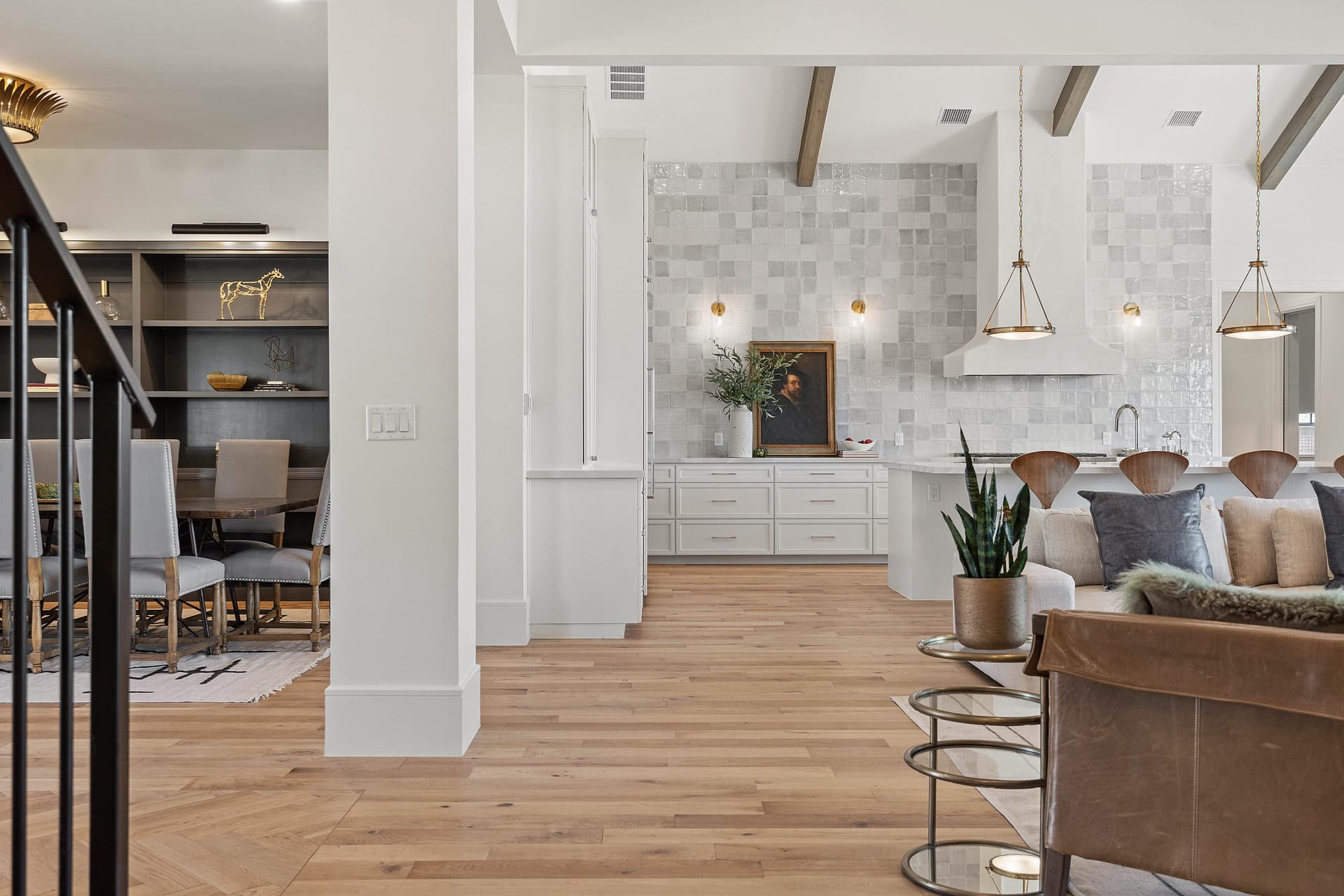
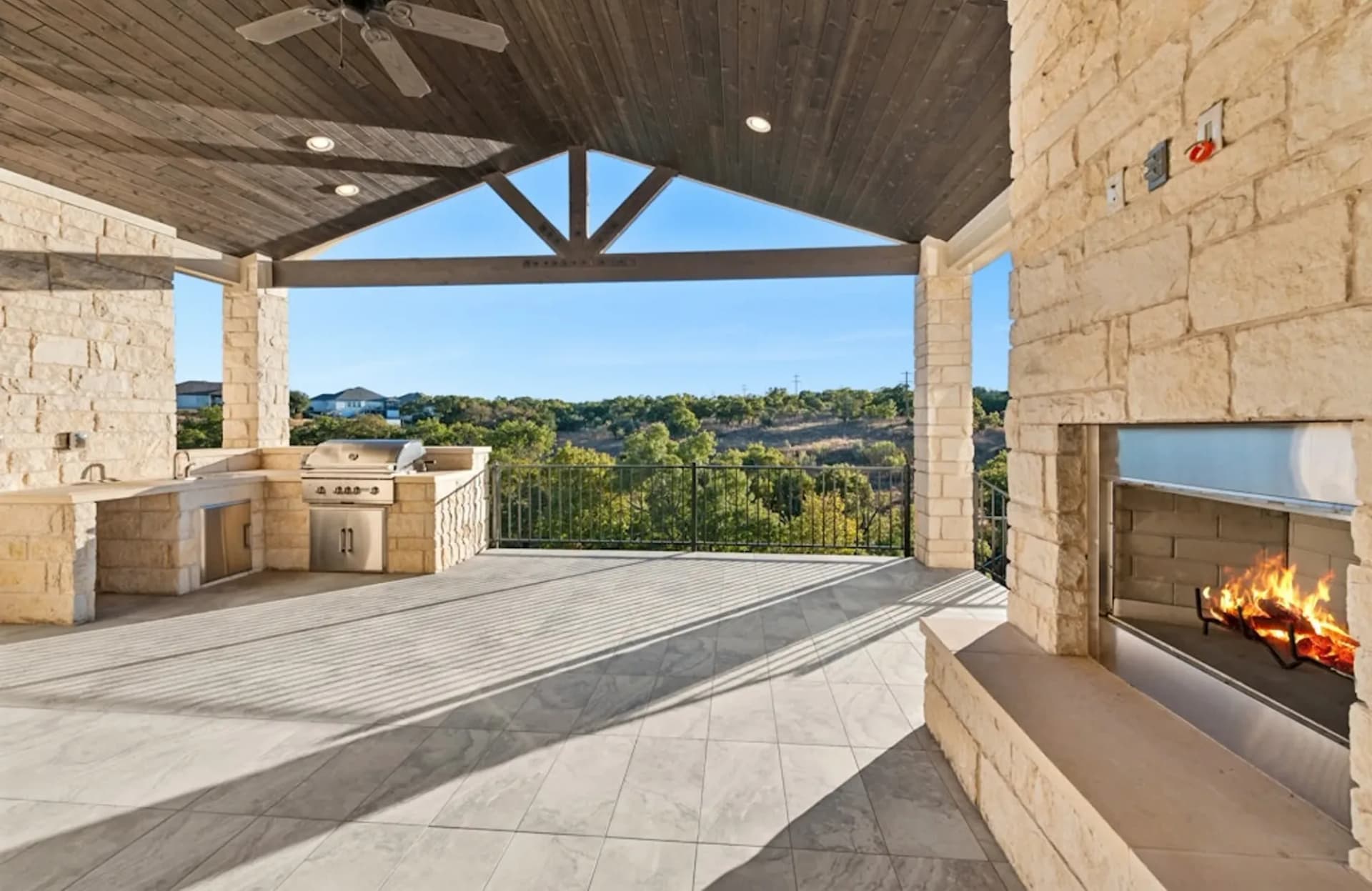
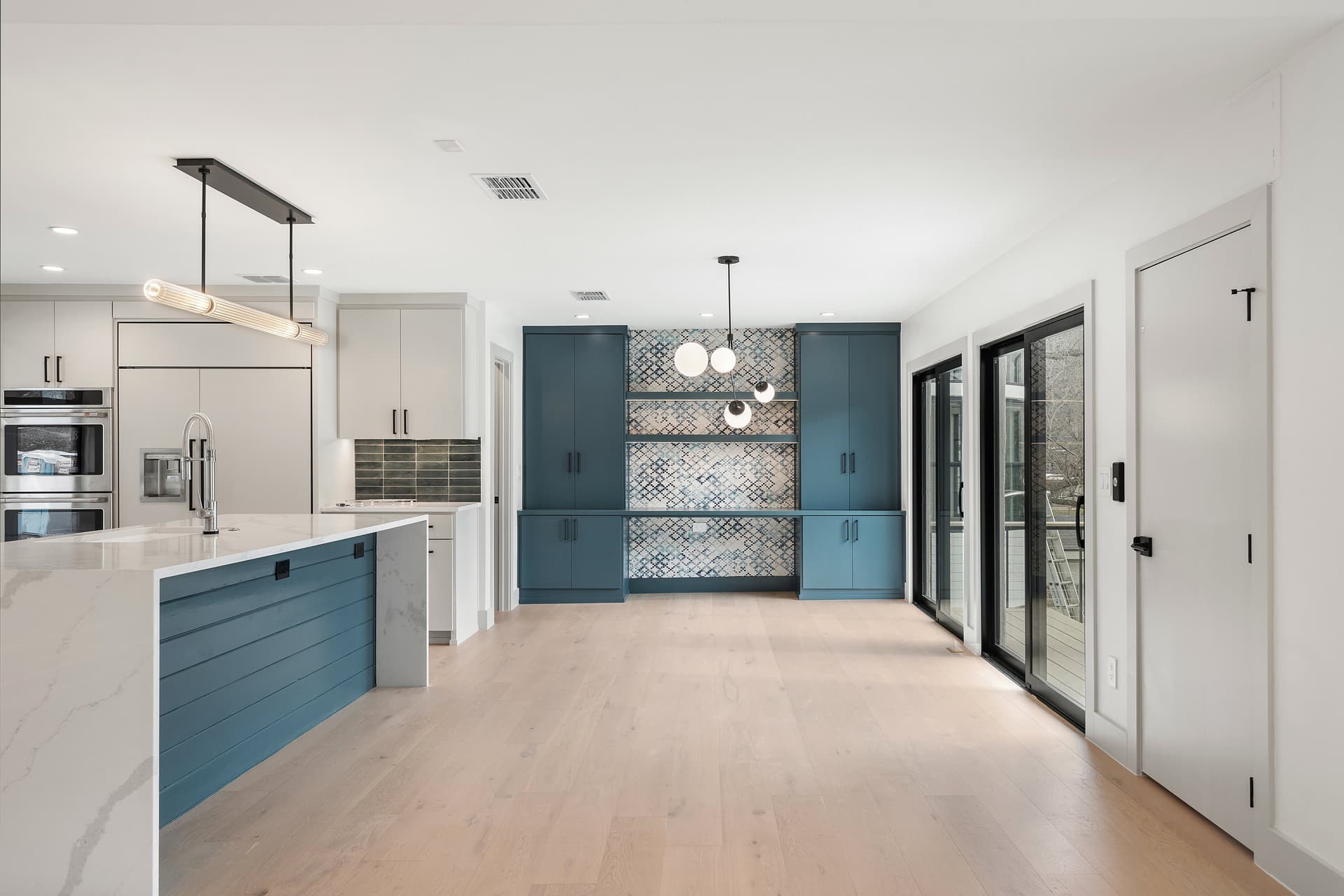
See Our Expertise in Action
Professional Tile Installation
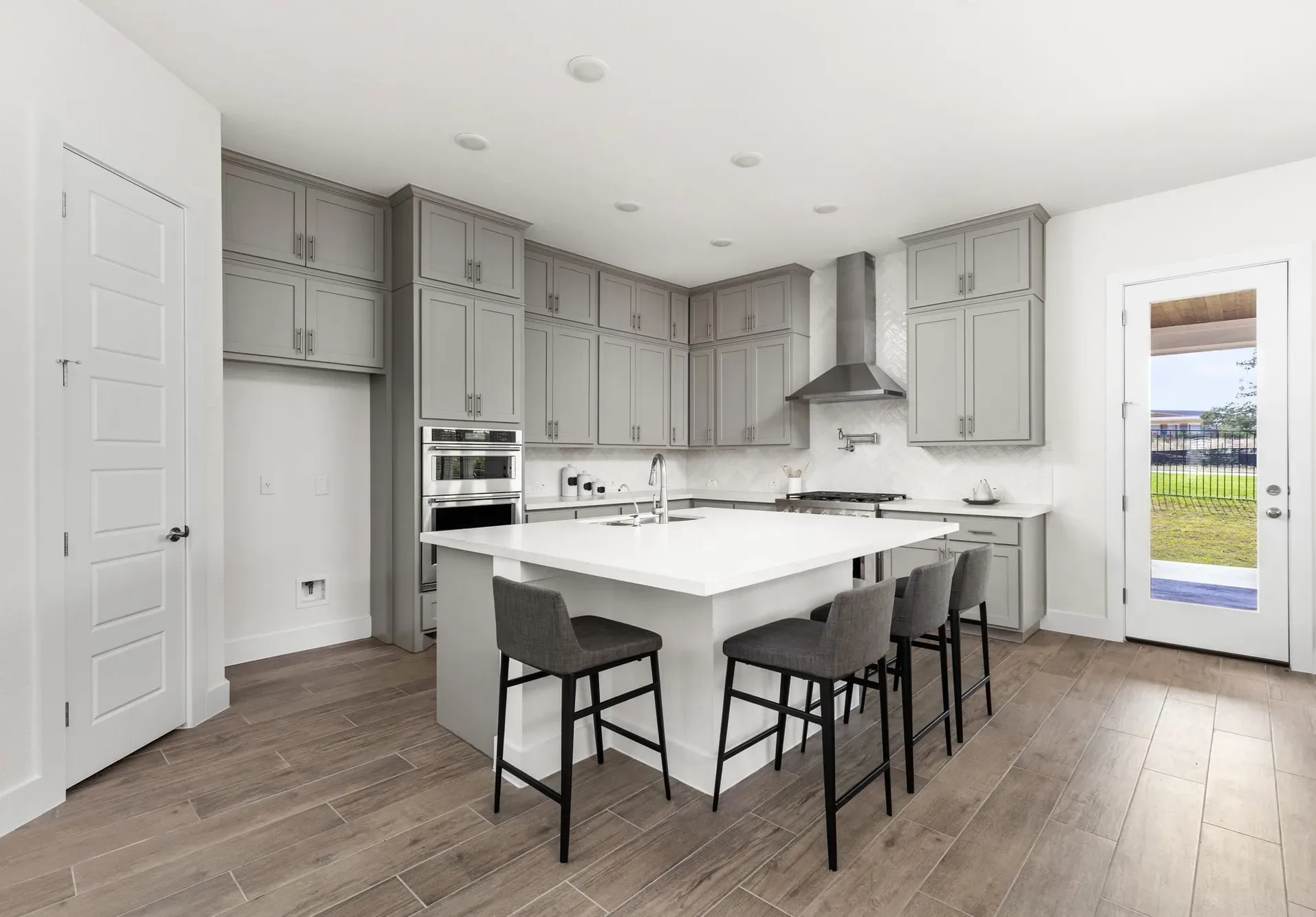
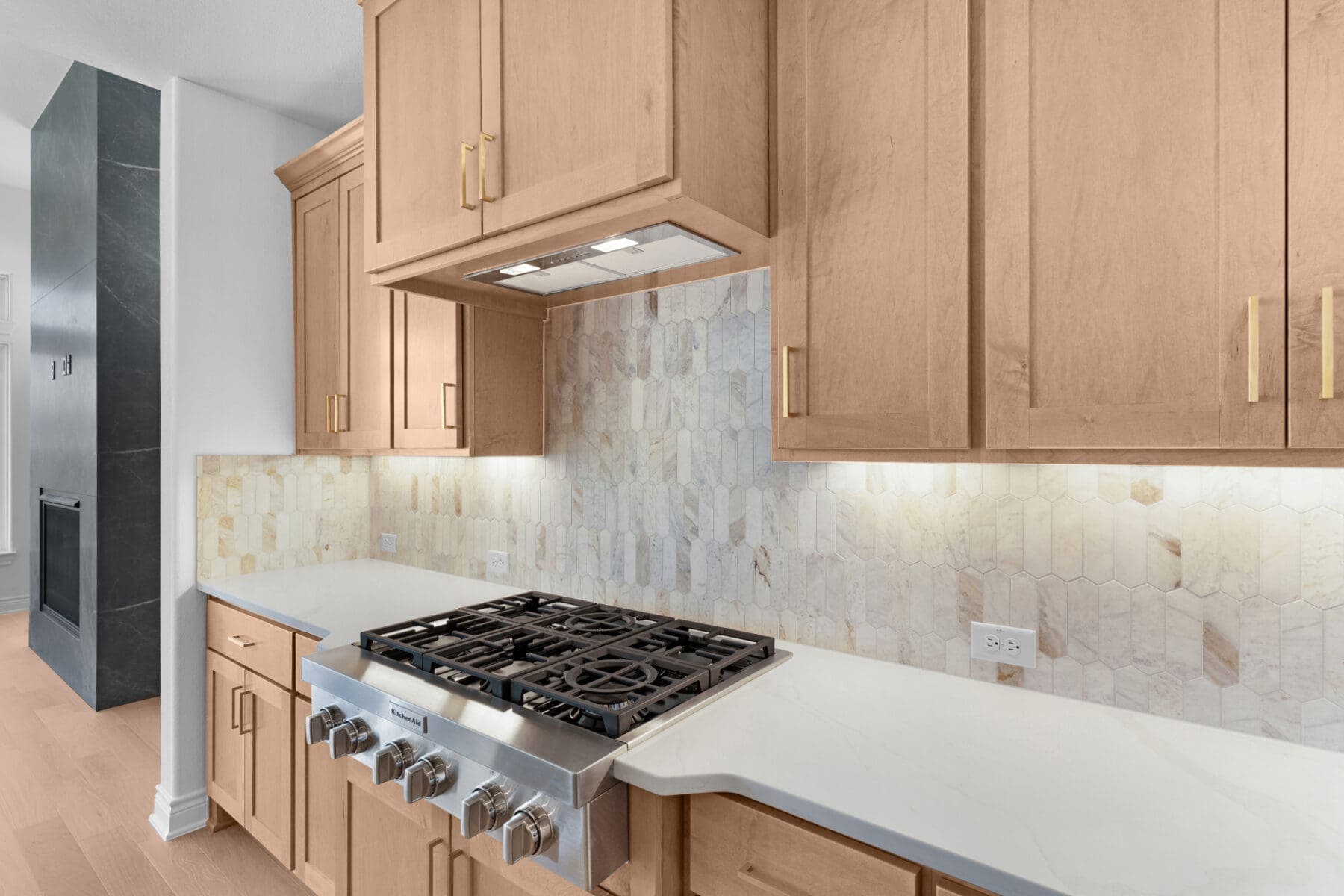
Kitchen with Tile Backsplash
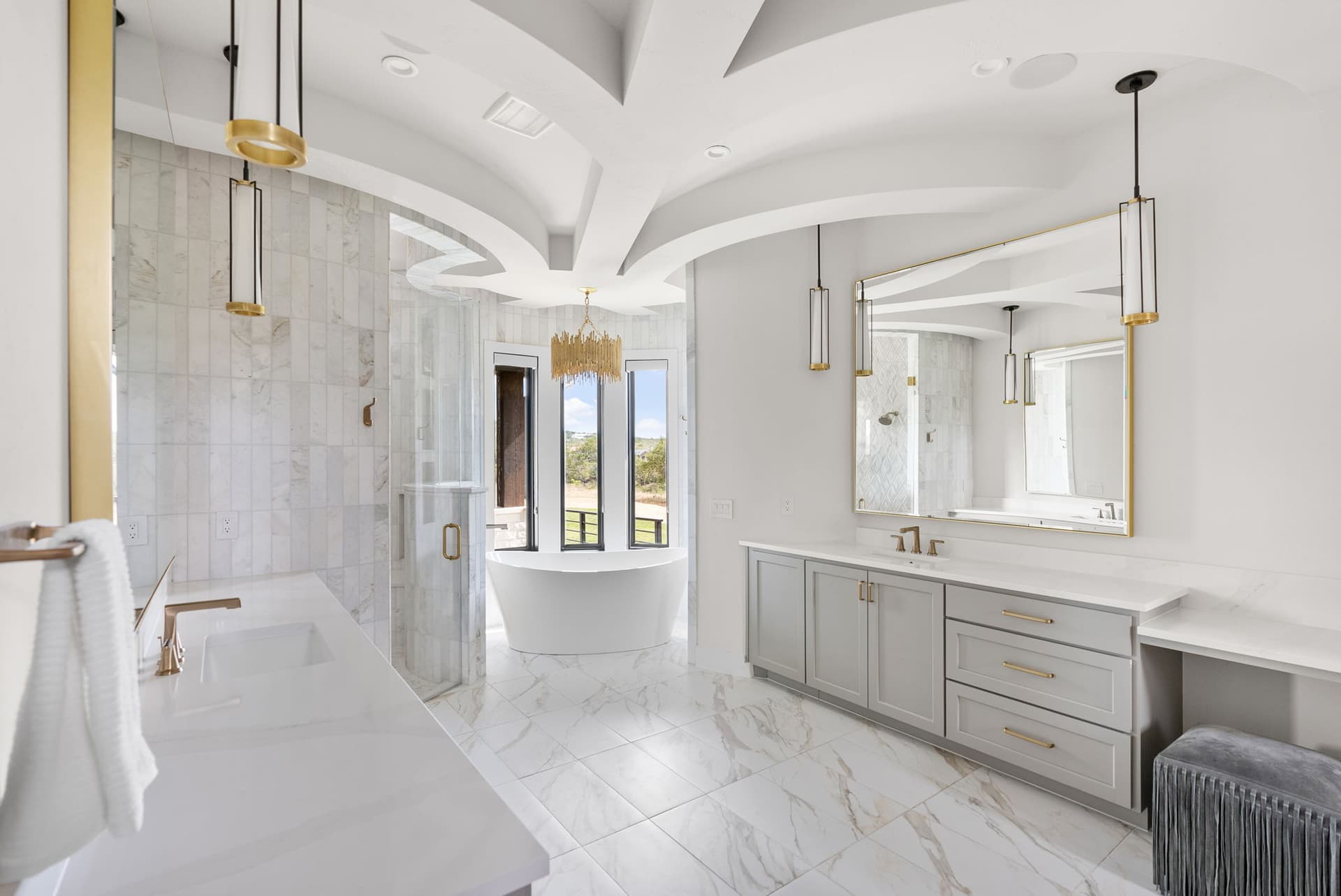
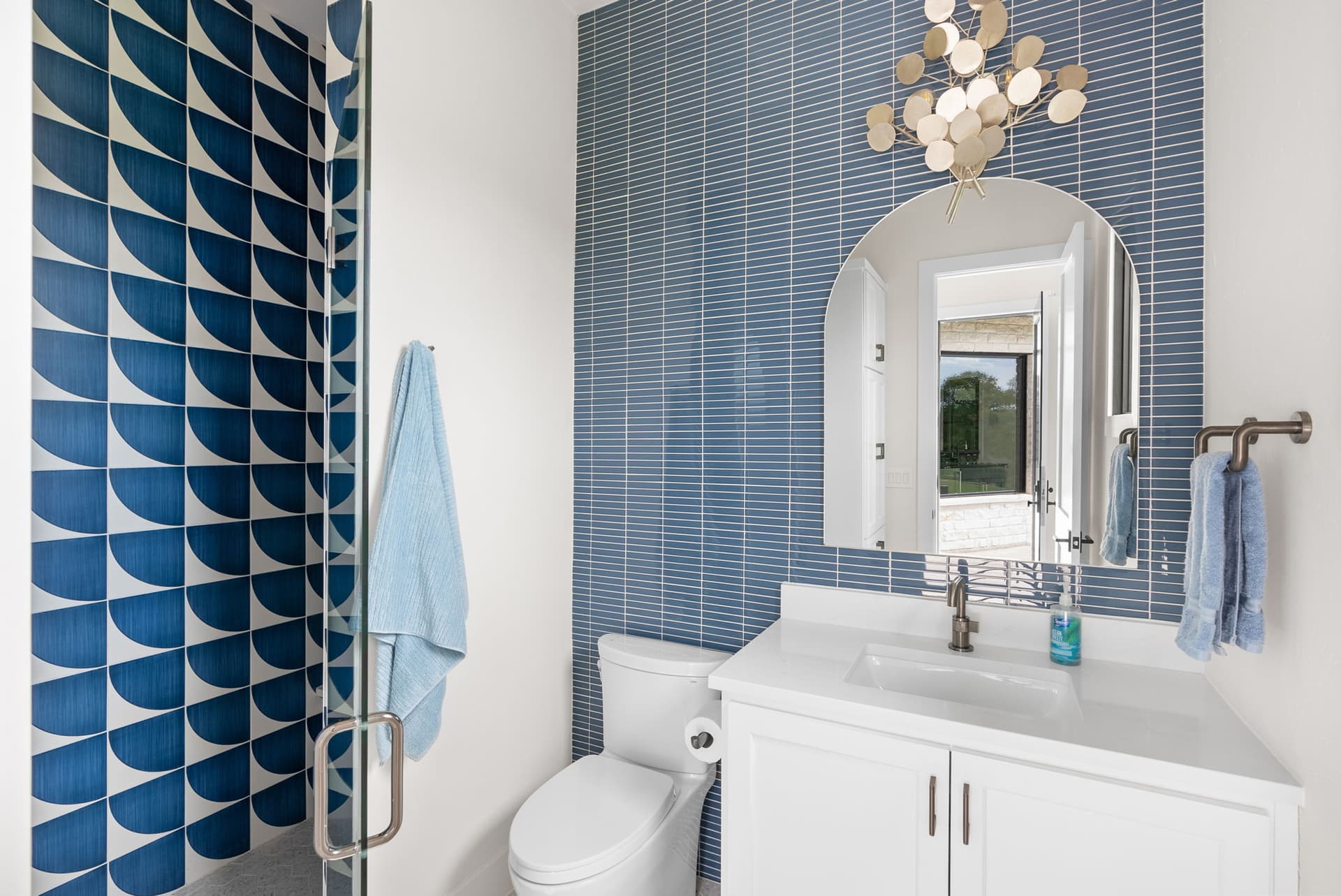
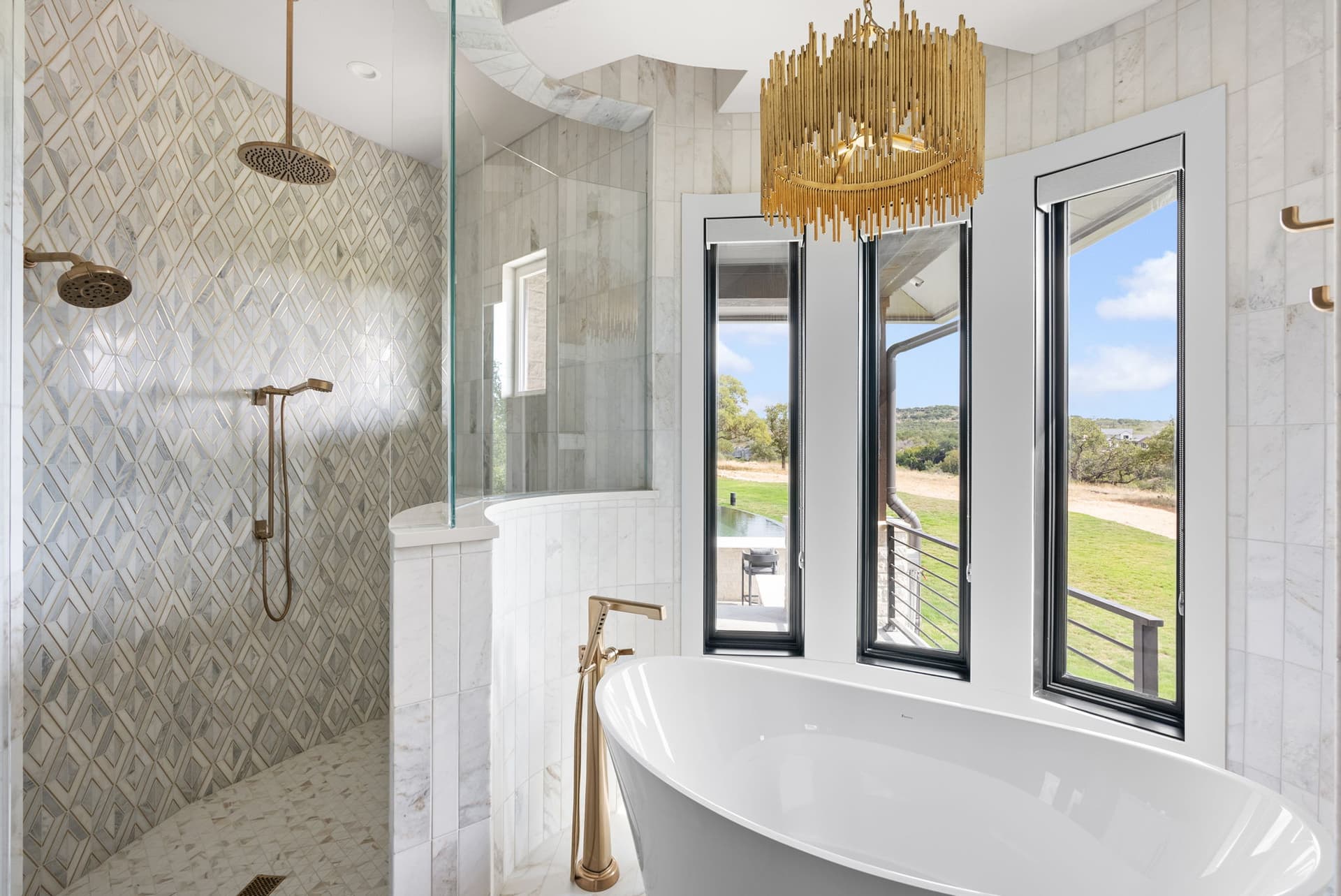
Bathroom with Tile
Let's Build Together
We understand that today's new construction market demands adaptability, pricing efficiency, and speed. Partnering with Sun Tile means aligning with a vendor who delivers on all three—without compromise.
We would welcome the opportunity to meet with you to discuss how Sun Tile Corporation can support your flooring needs—whether for a single subdivision or an entire territory.
Let's talk about how we can help you build
smarter, faster, and better.
When Flooring Goes In on a New Construction Build
Flooring is one of the last trades on a new construction home. It goes in after the house is dried in and the HVAC is running, after drywall, texture, and primer, and after cabinets and trim are set — but before final paint touch-up and appliances. Wet-area tile runs earlier so waterproofing can cure. Carpet goes in last of all, usually in the final week before the buyer walk-through.
That ordering is not a preference; each step exists because skipping it produces a specific, predictable failure. Wood installed before the building is conditioned moves after closing. Adhesive-set flooring laid over an untested slab debonds months later. Carpet installed ahead of the remaining trades gets damaged and re-stretched. Below is the sequence we work to on a Central Texas production build, and what each stage is actually protecting against.
1. Dried in and closed up
Nothing finish-related starts until the roof, windows, and exterior doors are in and the building envelope is closed. Until then interior humidity tracks the weather, and no wood or resilient product should see that.
2. HVAC running at service conditions
Permanent heating and cooling should be operating and holding the interior near the temperature and humidity the house will actually live at before wood is delivered, let alone installed.
3. Slab tested
On slab-on-grade, the slab is tested for moisture to give the number that governs which adhesives and moisture-management approaches are usable. This is a measurement, not a judgment call, and it belongs before material selection rather than after a failure.
4. Wet-area tile and waterproofing
Shower pans, tub surrounds, and wet-area floors generally run ahead of the finish flooring so the waterproofing and setting materials get their cure time, and finished floor tile is chosen to stay safe underfoot when wet.
5. Drywall, texture, primer, cabinets, trim
These all precede finish flooring on a production build. Running flooring before them means protecting it through every remaining wet and dusty trade, which costs more than sequencing correctly.
6. Hard-surface finish flooring
Tile, engineered wood, EVP, LVP, and laminate go in here. Subfloor flatness is verified and corrected first — large-format tile and long planks need a flatter substrate than standard-format goods, and any leveling work belongs in the line-item bid rather than in a change order.
7. Final paint touch-up
Touch-up follows the hard surfaces so that scuffs from flooring installation get covered rather than created after the painters leave.
8. Carpet, last
Carpet goes in at the very end, typically in the final week before the buyer walk-through, and it is stretched in rather than simply laid down. Stretching is what keeps a carpet from rippling in its first Texas summer.
The Slab Decides More of the Schedule Than the Material Does
Central Texas homes sit on slab-on-grade almost without exception, and a freshly poured slab keeps releasing moisture for months. That moisture is the most common root cause behind flooring callbacks that surface six to twelve months after a buyer moves in — cupped wood, bubbled resilient, adhesive that never fully set. The measurement is straightforward: the slab is tested and the reading is checked against the flooring manufacturer's stated limit, and the slab is prepared properly once it passes.
Getting that number early is what lets a builder keep a cycle time. If a slab reads high, there is still room to specify a moisture-mitigation system, change the adhesive, or move to a floating installation — all of which are decisions, not delays. Discovering the same number on install day is a delay, and discovering it after closing is a warranty claim.
What “Builder Grade” Flooring Actually Means
“Builder grade” is not a standard, a certification, or a quality rating. It is the base-level product in a builder's standard package — the one included at no upgrade cost. What separates it from an upgrade is measurable: wear-layer thickness, veneer thickness, carpet face weight and fiber, tile size and rectification. The installation specification does not change between tiers.
The term gets used loosely, and it is worth being precise about it — for builders setting a package and for buyers deciding whether an upgrade is worth the money. Here is what actually differs by material.
Builder Grade Hardwood and Engineered Wood
On engineered wood the number that matters is the wear layer — the thickness of real hardwood above the core. Base-package engineered flooring commonly runs roughly 0.6 to 2 mm; premium engineered runs about 3 to 6 mm. That difference is not cosmetic: a thicker wear layer is what makes a floor sandable and refinishable later, and a very thin veneer generally cannot be refinished at all. Core construction matters too — plywood cores handle Central Texas humidity swings more predictably than high-density fiberboard. Solid hardwood is rarely the right call over slab-on-grade here regardless of tier, which is why engineered dominates the metro's builder packages. See our hardwood and engineered wood guide for the full material breakdown.
Builder Grade Vinyl Plank (EVP and LVP)
Vinyl plank is graded by wear-layer thickness measured in mils — thousandths of an inch. Base-package product typically carries a 6 to 12 mil wear layer; heavier residential and light-commercial product runs 20 mil and up. Overall plank thickness, core type (SPC rigid core versus WPC), and whether a pad is pre-attached also separate the tiers. For a family home with pets, wear layer is the single spec worth upgrading first. Our EVP flooring guide explains how EVP and LVP differ and where each belongs.
Builder Grade Tile
Tile tiers separate on size, rectification, and body. Base packages lean toward smaller-format glazed ceramic; upgrades move to large-format rectified porcelain and wood-look plank. Larger formats need a flatter substrate, so the real cost difference between tiers includes slab preparation, not just the tile. Whatever the tier, wet-area floor tile is chosen to stay safe underfoot when wet, and the installation accounts for how the slab moves so the tile field doesn't crack over time. See the tile installation guide.
Builder Grade Carpet
Carpet tiers separate on fiber, face weight, and twist, and separately on pad. Base packages typically pair a lighter-face-weight PET or polyester carpet with a 6 lb pad; upgrades move to nylon, higher face weight, and an 8 lb pad. Pad is the cheapest meaningful upgrade in a standard package because it drives both comfort and how long the carpet holds its appearance. Installation standard does not change with tier — carpet is stretched in either way, which is what prevents rippling. See our carpet installation guide.
The part that does not change: at Sun Tile the same installation crews, the same subfloor preparation, and the same installation standards apply to a base-package floor and a top-tier upgrade. A standard-package floor installed correctly outlasts a premium floor installed badly, every time.
Where We Work: Production Building Across Central Texas
Sun Tile Corporation covers builder work throughout the Austin metro — roughly a 50-mile radius from Austin across Travis, Williamson, and Hays counties. That includes the Williamson County growth corridor through Round Rock, Georgetown, Leander, Liberty Hill, Cedar Park, Hutto, and Pflugerville; the I-35 South corridor through Buda, Kyle, and San Marcos; East Travis County through Manor and Del Valle; and the western hills of Bee Cave, Lakeway, Dripping Springs, and Driftwood. Our shop is on the I-35 corridor in Buda.
The Williamson County Growth Corridor — Round Rock, Georgetown, Leander, Liberty Hill, Hutto
North of Austin is where the large production subdivisions are. Round Rock, Georgetown, Leander, Liberty Hill, Hutto, Cedar Park, and Pflugerville carry most of the metro's high-volume new-home starts, and the work up here has a particular shape: repeating plan sets, phase releases of twenty to sixty lots at a time, and a schedule that only works if every trade hits its window. That repetition is an advantage for a flooring subcontractor who has already priced the plan. Once a plan's bid areas are loaded — room by room, with material-specific waste already factored — every subsequent lot on that plan prices and schedules in minutes rather than being re-measured from scratch.
The ground changes as you move across this corridor, and it changes what goes wrong. West of I-35 through Georgetown and Liberty Hill the subgrade is Edwards Limestone and Austin Chalk; east through Hutto and Taylor it is Blackland Prairie clay, which shrinks and swells dramatically with Central Texas's wet-dry cycles. Expansive clay moves slabs, and slab movement is what cracks a tile floor in a straight line across a room a year after closing. The defense is not a different tile — it is installing the tile to account for how the slab moves rather than treating it as one rigid sheet, and it costs almost nothing when it is in the bid instead of in a warranty claim.
The I-35 South Corridor — Buda, Kyle, San Marcos, and South Austin
Sun Tile's shop sits on the I-35 corridor in Buda, which makes Buda, Kyle, San Marcos, Bluff Springs, Del Valle, and South Austin home ground. For a builder that translates into something practical: a local team to discuss site access, plan changes, and follow-up after a walk-through. Hays County has been among the fastest-growing counties in Texas for a decade, and the product mix down here skews toward attainably-priced production homes where the standard package does most of the work and the upgrade take rate concentrates in the primary bath and the main living area.
This corridor is also where the schedule pressure is highest, because attainable-price communities close on tight cycle times. The flooring window is narrow and it sits at the end, which means it absorbs every delay upstream of it. The way that gets managed is not heroics on install day — it is knowing the slab's moisture number early, having material staged before the window opens, and having enough crew capacity that a single delayed lot does not cascade into the next three.
East Travis County — Manor, Del Valle, and East Austin
East of Austin, Manor and Del Valle have absorbed a large share of the metro's newer master-planned volume, helped by SH 130 and the Highway 290 corridor. This is Blackland Prairie ground almost entirely, so the same expansive-clay considerations that govern Hutto apply here — plus a practical one specific to fast-growing east-side subdivisions: many lots are still surrounded by active construction when flooring goes in, and finished floors have to be protected through the remaining trades. Hard protection over finished wood and resilient flooring is cheap insurance on a lot where framing is still running two houses down.
The Western Hills — Bee Cave, Lakeway, Dripping Springs, Driftwood
West of the Balcones Fault the production model gives way to semi-custom and custom work. Lot sizes grow, plans stop repeating, and the flooring scope shifts toward wide-plank engineered wood, large-format tile, and natural stone rather than a standard package. Bee Cave, Lakeway, West Lake Hills, Dripping Springs, Driftwood, Spicewood, and Steiner Ranch fall in this band. Builders working out here generally want the same operational discipline as a production program — one point of accountability, a real schedule, clean punch-out — applied to a scope that is specified lot by lot. Our custom home flooring lane covers that work in more detail.
What Repetition Buys a Builder
The operational difference between production work and one-off residential work is that a production community repeats. The same six or eight plans build out over eighteen months, which means the plan only has to be priced right once. Our bid platform stores job plans, preloads bid areas room by room, and factors material-specific waste automatically, so lot forty on a plan prices exactly the way lot one did — and a mid-community material change propagates to every remaining lot instead of being re-measured by hand.
The same repetition is what makes punch-out manageable. A dedicated service and punch-out team handles fine-tune work directly, so a superintendent has one number to call. For commercial and multi-family scopes in the same markets, see our commercial flooring lane; for semi-custom and custom home programs, see custom home flooring.
Builder flooring by city
Each city page covers that local market in more detail. Bidding a community or setting a standard package? Call (737) 704-3000 or send plans to info@suntile.com.
- Flooring in Austin, TX
- Flooring in Round Rock, TX
- Flooring in Georgetown, TX
- Flooring in Cedar Park, TX
- Flooring in Pflugerville, TX
- Flooring in Buda, TX
- Flooring in Kyle, TX
- Flooring in Dripping Springs, TX
- Flooring in Leander, TX
- Flooring in San Marcos, TX
- Flooring in Lakeway, TX
- Flooring in Bee Cave, TX
- Flooring in Hutto, TX
- Flooring in Liberty Hill, TX
- Flooring in Manor, TX
Frequently Asked Questions
What types of flooring installation does Sun Tile offer Austin TX production builders?
How does Sun Tile's pricing work for production builder programs?
Does Sun Tile have experience with large-scale Austin flooring installation projects?
How does Sun Tile handle post-close support?
What technology does Sun Tile use to support builder partners?
What makes Sun Tile different from larger, multi-market flooring vendors?
What makes Sun Tile a trusted builder flooring partner in Texas?
When does flooring go in during new construction?
Does the slab have to be dry before flooring is installed?
What does "builder grade" flooring actually mean?
Which Central Texas communities does Sun Tile cover for builder work?
Vetting flooring subcontractors for your builder program? See what to look for in a flooring subcontractor and how to choose the right flooring partner.