
Ceramic
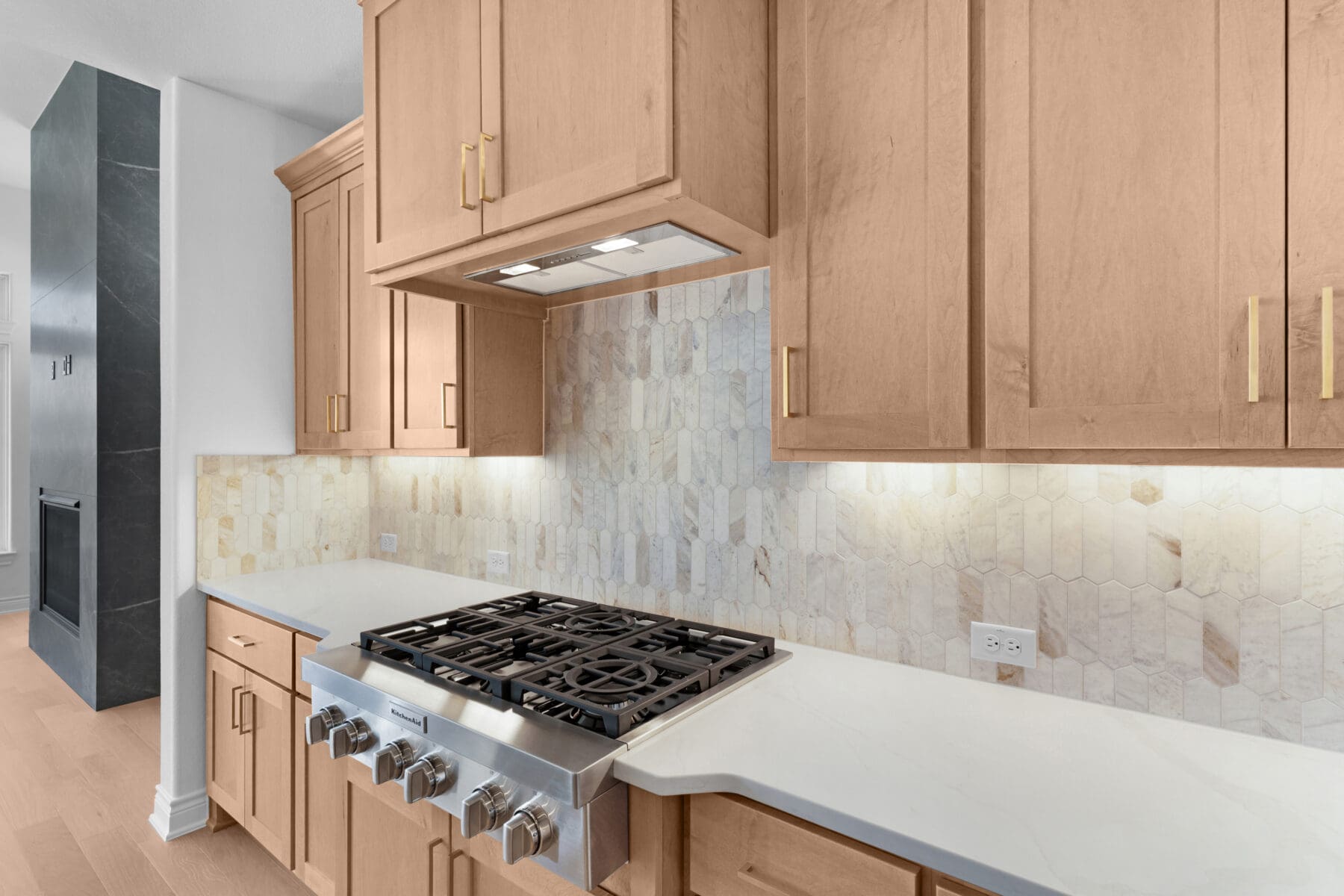
Consider the whole surface.
Ceramic can create quiet fields or a more visible pattern. Confirm whether the selected product is intended for the floor, wall, or other proposed application, then review its edges, joints, and care instructions.
Discuss ceramic for your projectPhotography shows finish references. Confirm the selected product, dimensions, and specification for your project.
Application
Where will the tile be installed, and is the selected product rated for that use?
Layout
How do the format, joints, openings, and perimeter cuts work together?
Finish & care
What finish and maintenance requirements suit the room and the people using it?
Small pieces. A deliberate rhythm.
Explore a detail. Bring a better question to your project conversation.
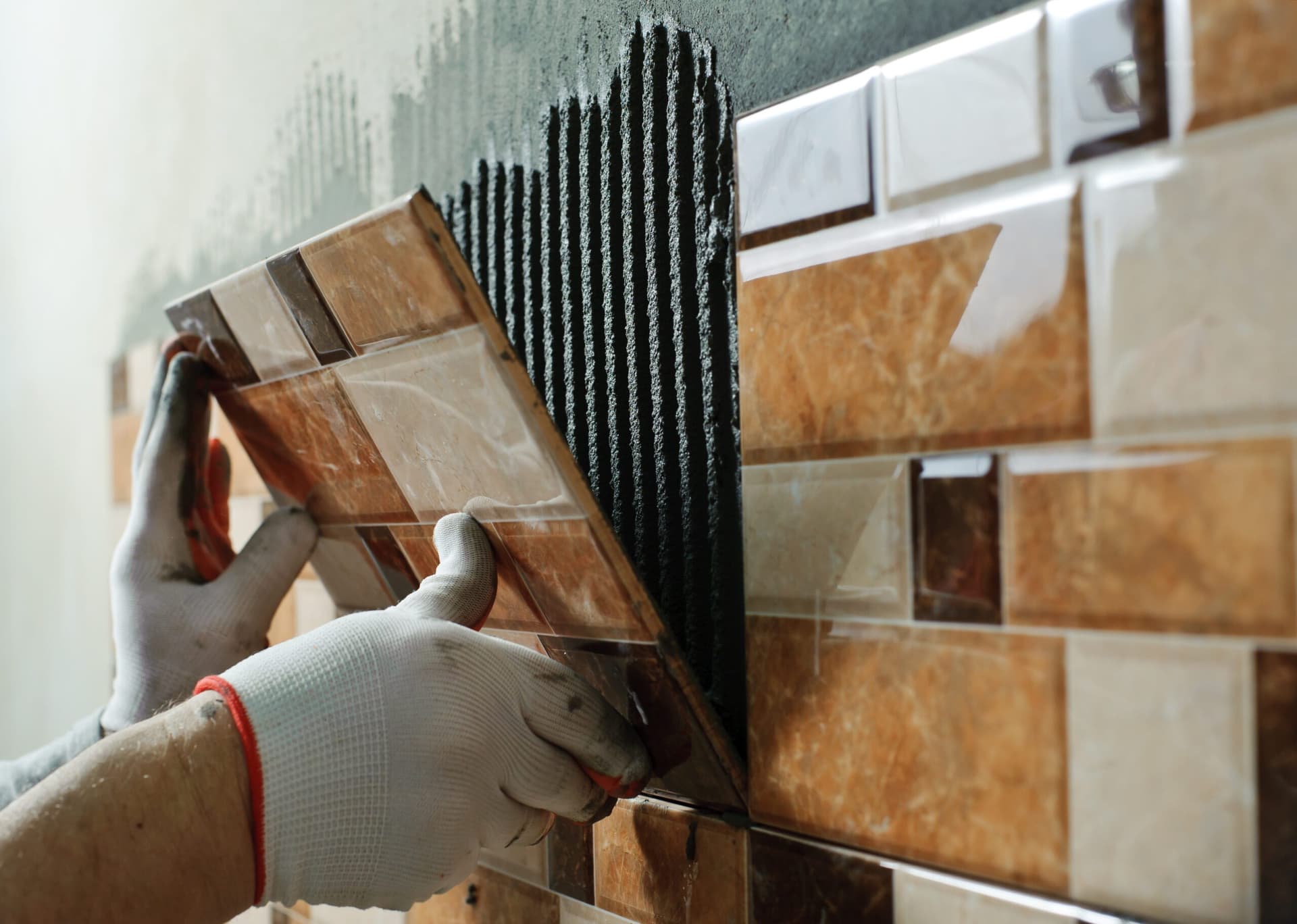
Conceptual illustration · not to scale or an installation specification
Read the space between pieces.
A smaller module creates more joint lines within the same area. Joint color, orientation, and pattern all contribute to the finished surface.
Should the joints blend with the ceramic or make the pattern more visible?
Carry this detail into a clear installation brief.
Ceramic Tile Installation Austin TX — Quick Answer
Ceramic tile is made from natural clay fired at lower temperatures than porcelain — lighter, easier to cut, and ideal for bathroom walls, backsplashes, and light-to-moderate-traffic floors. Sun Tile Corporation installs ceramic tile throughout Austin and Central Texas, including tile, mortar, grout, and labor. Family-owned since 1984, 75,000+ installations. Sun Tile provides a free, itemized in-home estimate: (737) 704-3000.
Ceramic Tile Installation Cost in Austin TX
Ceramic tile installation costs in Austin depend on the tile format and pattern complexity. Sun Tile provides a free, itemized in-home estimate so you get an exact price for your project rather than a range.
Ceramic vs Porcelain Tile: Side-by-Side Comparison
| Feature | Ceramic Tile | Porcelain Tile |
|---|---|---|
| Water absorption | Varies by tile body; check the product data | 0.5% or less; confirm product classification |
| Density & hardness | Softer — lower firing temperature | Harder — higher-temperature dense firing |
| Frost resistance | Check the manufacturer’s exterior rating | Confirm exterior and freeze-thaw ratings |
| Ease of cutting | Score & snap; standard tile saw | Select tools for the tile and required cuts |
| Best applications | Walls, backsplashes, light-traffic floors | Product-rated floors, walls, or exterior areas |
| Durability (PEI rating) | Check the selected product’s wear rating | Check the selected product’s wear rating |
| Weight | Lighter — easier to handle | Heavier — denser construction |
What Is Ceramic Tile? Austin's Complete Guide
Ceramic tile is manufactured from natural clay blended with minerals, shaped, and kiln-fired at temperatures between 1,800 and 2,100°F. The result is a rigid, dimensionally stable tile that can be glazed in virtually any color, pattern, or finish. Glazed ceramic — the type most commonly installed in Austin homes — has a factory-applied glass-like surface layer that repels water and stains on contact. The clay body beneath the glaze is more porous than porcelain, which is why ceramic is best suited for walls, backsplashes, and interior floors where it won't be submerged in standing water. Sun Tile Corporation installs PEI-rated ceramic tiles matched to the expected foot traffic in each area — from PEI I for wall applications through PEI III for kitchens and family rooms with moderate daily use. Understanding PEI ratings and choosing the correct tile for the application is exactly the guidance our 40+ years of Austin tile work provides, at no cost, during your free in-home estimate.
Ceramic vs Porcelain Tile: Which Is Right for Your Austin Home?
Compare the selected ceramic and porcelain products for the proposed location. Review their application and wear information, actual dimensions, finish, joints, and installation requirements. A floor, backsplash, shower, and patio raise different questions; choosing a category does not replace a product and assembly review.
Best Applications for Ceramic Tile in Austin Homes
Ceramic tile excels in specific applications throughout an Austin home. Kitchen backsplashes are the most popular use — subway tile in 3×6 or 4×8 is a perennial favorite that complements both modern farmhouse and traditional kitchen designs. Bathroom walls, shower surrounds above the waterline, and vanity backsplashes are ideal for glazed ceramic, where light traffic and a vertical installation keep wear minimal. Floor applications work well in laundry rooms, mudrooms, powder rooms, and light-traffic bathrooms where a budget-conscious choice still delivers real longevity. For high-traffic entryways, open-plan living areas, and outdoor patios, Sun Tile's Austin team typically recommends porcelain or natural stone — matching the right material to the right location is a principle we've followed since 1984.
Grout, Sealing, and Ceramic Tile Maintenance in Austin
Review the selected ceramic finish and grout as separate products with their own care requirements. Confirm whether sealing is required, the compatible cleaning products, and the recommended maintenance schedule. Keep the agreed product information with the project handoff so future care follows the actual specification.
Frequently Asked Questions
Is ceramic tile floor installation Austin easy to maintain?
Do Austin tile installers recommend ceramic for bathrooms?
Does ceramic tile floor installation require sealing?
How much does ceramic tile installation cost in Austin TX?
What's the difference between ceramic and porcelain tile?
Can ceramic tile be used in Austin showers?
How long does ceramic tile installation last in Austin homes?
Does ceramic tile need to be sealed in Austin homes?
What size ceramic tile is best for Austin bathrooms and kitchens?
More tile options.
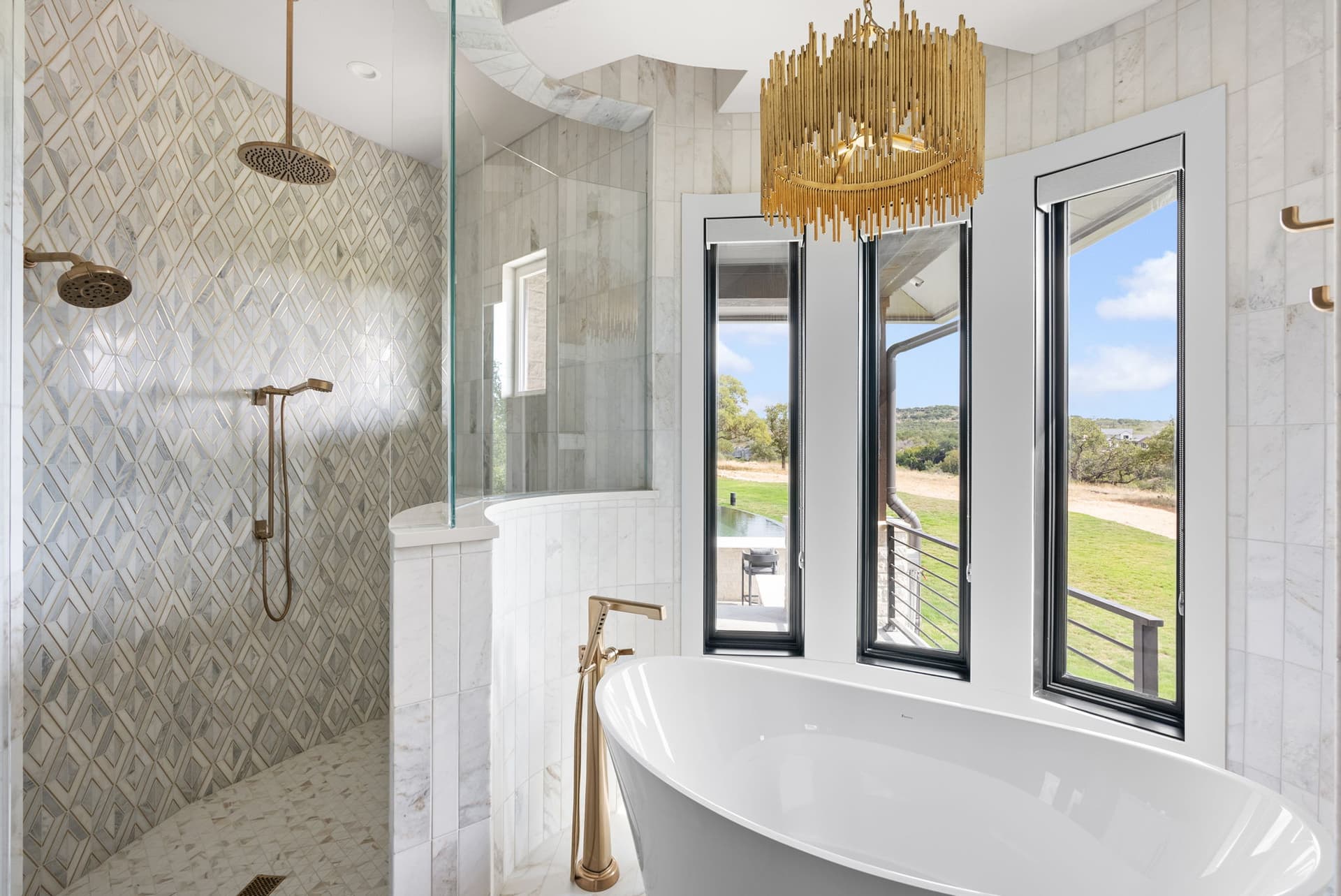
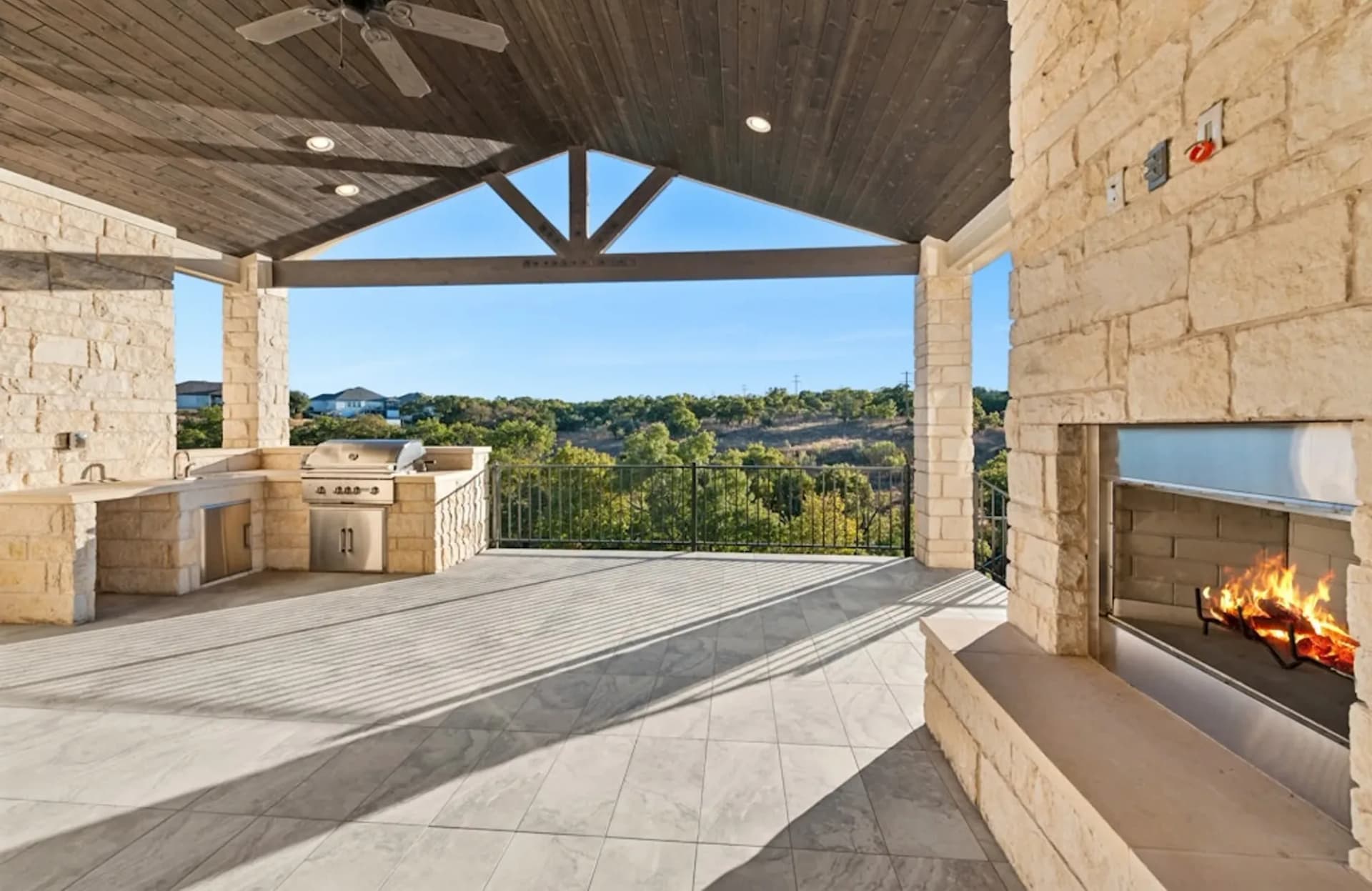
A material choice.
A considered scope.
Share your selections, floor area, site conditions, and target timing. Let’s discuss how the flooring fits your project.